Opposition Outlines Economic and Migration Priorities in Media Briefing
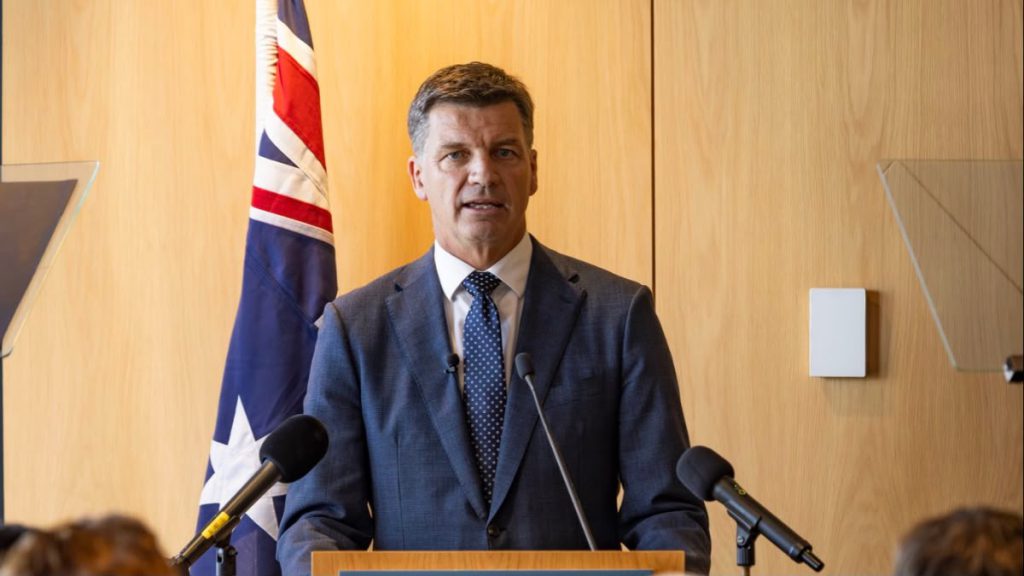
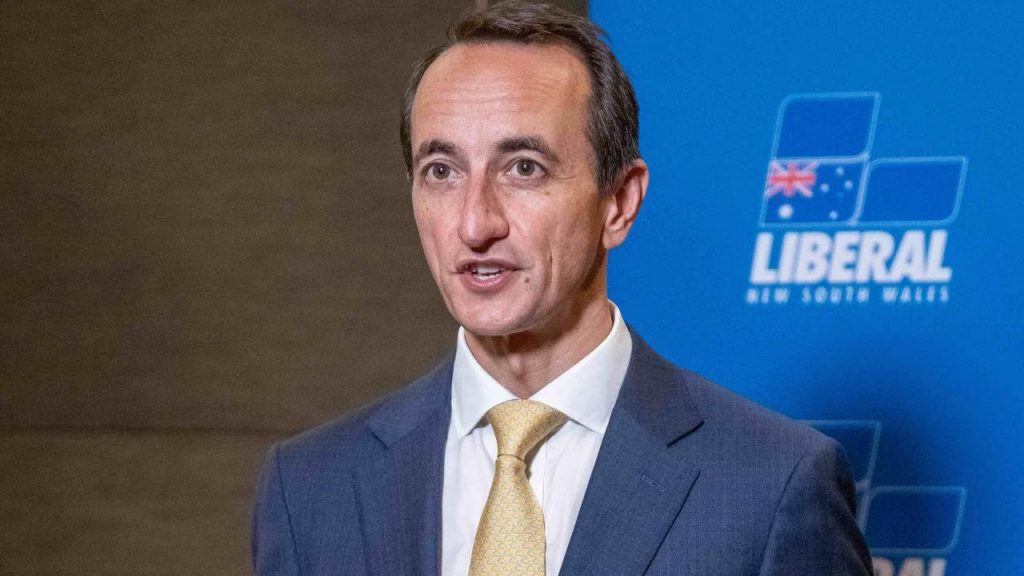
The office of Senator Dave Sharma recently hosted an online media briefing via Microsoft Teams featuring Federal Opposition Leader Angus Taylor, providing members of the Indian media an opportunity to discuss key issues affecting Australian communities.

During the briefing, Punjab Times journalist Shivendra Singh raised concerns about rising living costs and interest rate increases, questioning whether monetary policy was placing additional pressure on households already facing higher prices for essential goods and services. In response, Mr Taylor focused on what he described as excessive government spending under the current Labor Government, arguing that stronger fiscal discipline was necessary to address inflationary pressures. He also highlighted the Coalition’s commitment to increasing housing supply across Australia to help ease affordability challenges and rental market pressures.
Migration policy was another major topic discussed during the session. Mr Taylor stated that migration levels under previous Coalition governments were significantly lower than current intake levels while continuing to meet Australia’s skilled workforce requirements. He said a future Coalition government would seek to better balance migration settings with housing, infrastructure, and workforce needs.
The briefing also touched on economic management and welfare policy. An accompanying opinion piece circulated by Senator Sharma’s office outlined the Coalition’s position that government spending should be more targeted and fiscally sustainable. The proposal would restrict access to certain Commonwealth welfare payments for future arrivals from July 2028, while preserving existing arrangements for current permanent residents and maintaining access to essential services such as Medicare, public hospitals, aged care, and public education.
The Coalition argues that tighter spending controls would help reduce budget deficits, lower debt pressures, and create opportunities for broader income tax relief, while maintaining Australia as a destination that rewards hard work, aspiration, and economic contribution.
The briefing provided an opportunity for Indian community media outlets to engage directly with senior Coalition representatives on issues ranging from cost-of-living pressures and housing affordability to migration and economic policy.
See the accompanying opinion piece in full below:
Recalibrating the Safety Net: Securing a Low-Tax, High-Growth Australia for Hard-Working Families
After four years of the Albanese government, many Australians are asking a simple question: are we better off today under Labor?
For too many households, the answer is no.
Across the country, living standards have fallen sharply. Families are paying more for essentials, more for electricity, more for groceries, more for mortgages, and more in taxes — all while wage growth struggles to keep pace with the rising cost of living.
I know that the Australian Indian community knows these pressures firsthand. This is a community built on hard work, entrepreneurship, education, and aspiration. Many migrated here seeking opportunity, stability, and the promise that effort would be rewarded. But today, that promise feels increasingly uncertain.
Whether as business professionals, healthcare workers, or outer-suburban small business owners, Indian migrants represent the very definition of aspiration.
Given this significant contribution, the Coalition’s proposal to limit 17 Commonwealth welfare payments—including Jobseeker and the Family Tax Benefit—exclusively to Australian citizens has naturally raised questions.
This includes from many within the Indian community, who are asking how it will affect permanent residents who have not yet become citizens.
So, it is important to be clear about the proposal.
Firstly, our proposed changes will not affect any current permanent residents. Those already in Australia will be able to continue to access any welfare programs they currently use.
Access to essential services, like Medicare, aged care, public hospitals and public schools will remain open to everyone, including non-citizens.
Secondly, these changes will only apply to new arrivals into Australia after 1 July 2028. So, there is an opportunity to plan with these changes in mind.
Finally, all these entitlements will be available to citizens. And more Indians living in Australia are recognising the benefits citizenship offers and making that choice.
Because Labor can’t manage money, we’re facing a decade of deficits worth $150 billion and debt of $1.25 trillion. The yearly interest bill on that debt will hit more than $42 billion per year or $80,000 per minute
This Budget sees the economy burdened with $50 billion of higher taxes including $15 billion in higher personal income taxes. The Budget also confirms that government spending will remain at its highest level in 40 years, outside of the pandemic.
If we want to protect the Australian economy, we must make disciplined choices about where public money goes. The Coalition believes that a social safety net should be reserved for those who have made the ultimate, civic commitment to this country through citizenship.
Crucially, this fiscal discipline is the only path toward delivering the broad-based income tax relief that the Indian community desperately needs.
High income taxes and bracket creep are currently penalising anyone who works hard and makes sacrifices in exchange for economic reward, only for the government to take more of your earnings.
With strict grandfathering rules ensuring that no current permanent resident is disadvantaged, our policy is a fair and transparent blueprint for the future. It ensures that future migrants understand the framework before they arrive, while guaranteeing that Australia can be a high-growth, low-tax nation that rewards your aspiration and safeguards your family’s hard-earned success.